

Few filmmakers have explored the human condition with the compassion, intensity, and fearless honesty of Hector Babenco. Born in Argentina and making Brazil his creative home, Babenco built an extraordinary body of work centered on those living at society’s margins, finding dignity, resilience, and humanity in lives too often overlooked. From the explosive energy of LÚCIO FLÁVIO and the groundbreaking PIXOTE to the Oscar-nominated KISS OF THE SPIDER WOMAN, the unforgettable CARANDIRU, and his deeply personal final film, MY HINDU FRIEND, Babenco’s cinema transcends borders, blending social realism with profound emotional storytelling. This retrospective celebrates a filmmaker whose work continues to challenge, move, and inspire audiences around the world.
For those of us who grew up under a dictatorship, going to the theater to watch a Hector Babenco film was, and still is, a way to release our anguish, fears, and repression. His films offered a breath of freedom while taking us on deeply human journeys. His characters are so vividly drawn that you can almost smell the streets they walk, feel the weight they carry, and share in their hopes and desires.
– João Federici, CAFILM Senior Programmer
SATURDAYS @ 11AM • $5 ADMISSION
VIEW TRAILER
SCREENING + CONVERSATION
WITH HECTOR BABENCO’S DAUGHTERS BERTA SEGALL MCDONNELL IN PERSON & MYRA ARNAUD BABENCO VIA ZOOM
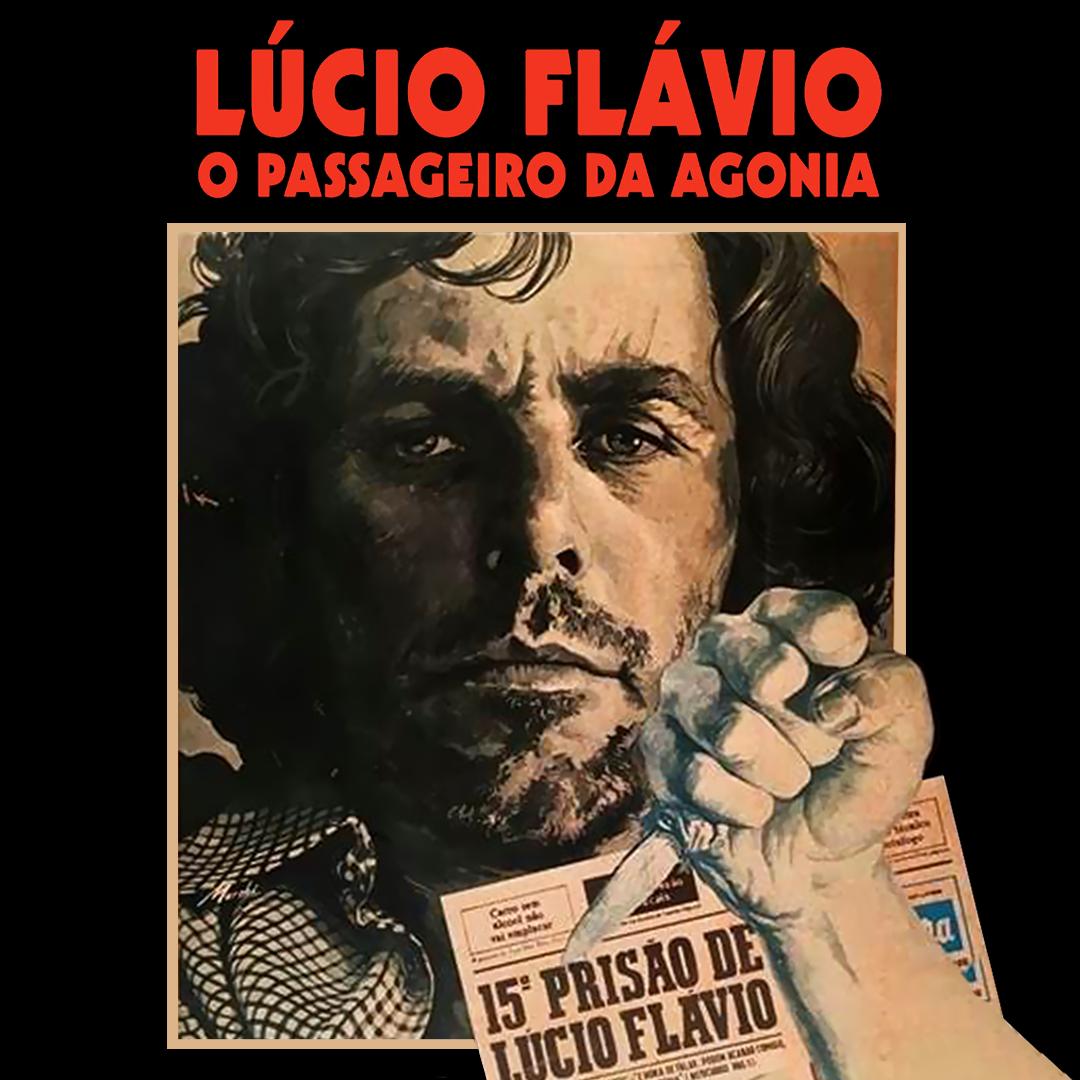
The real story of Lúcio Flávio, a notorious bank robber who operated in Brazil under the military regime. By exposing the brutality of a Brazilian police criminal group known as the Death Squad – a fact revealed by Lúcio Flávio himself to a reporter before he was murdered, the film went through censorship and became a historical piece. LÚCIO FLÁVIO Restored by HB Filmes (2023)
In Portuguese with English subtitles
Brazil 1977 | 122 min
Unrated | Mature Audiences
PIXOTE
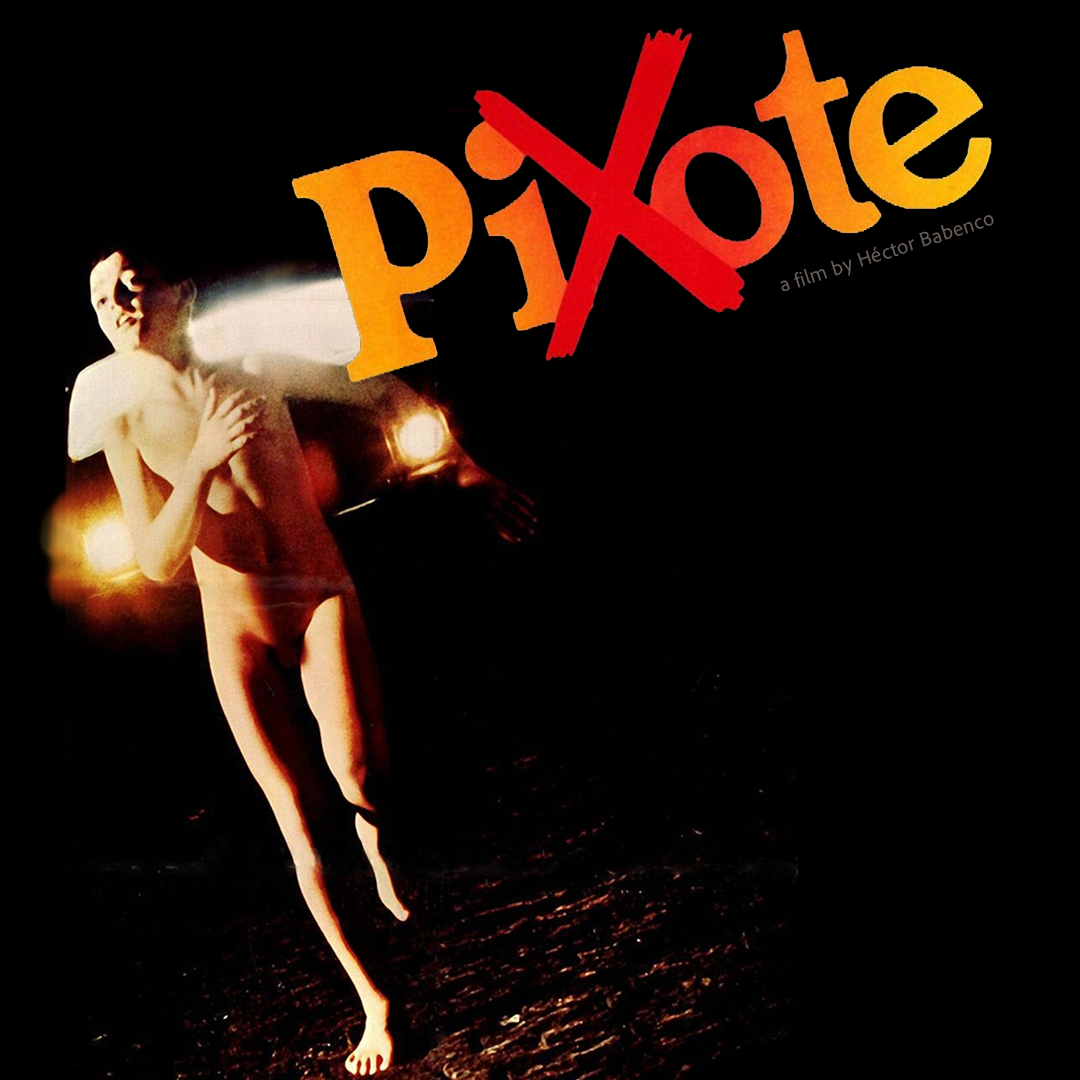
A 1981 drama based on the book The Childhood of the Dead Ones by José Louzeiro. It is a documentary-like account of Brazil’s juvenile justice system and how kids were used by corrupt police to commit crimes. The film features Fernando Ramos da Silva, a rising star actor who was killed at the age of 19 by the police in São Paulo.
Technical Description: Pixote was restored by Martin Scorsese’s Film Foundation in partnership with Cineteca Bologna de L’Immagine Ritrovata. The original negative and a first-generation internegative preserved by the Cinemateca Brasileira were used. The original soundtrack was carefully repaired by Beto Ferraz, and then digitized and restored by José Luiz Sasso.
In Portuguese and English with English subtitles
Brazil 1981 | 127 min
Unrated | Mature Audiences
KISS OF THE SPIDERWOMAN
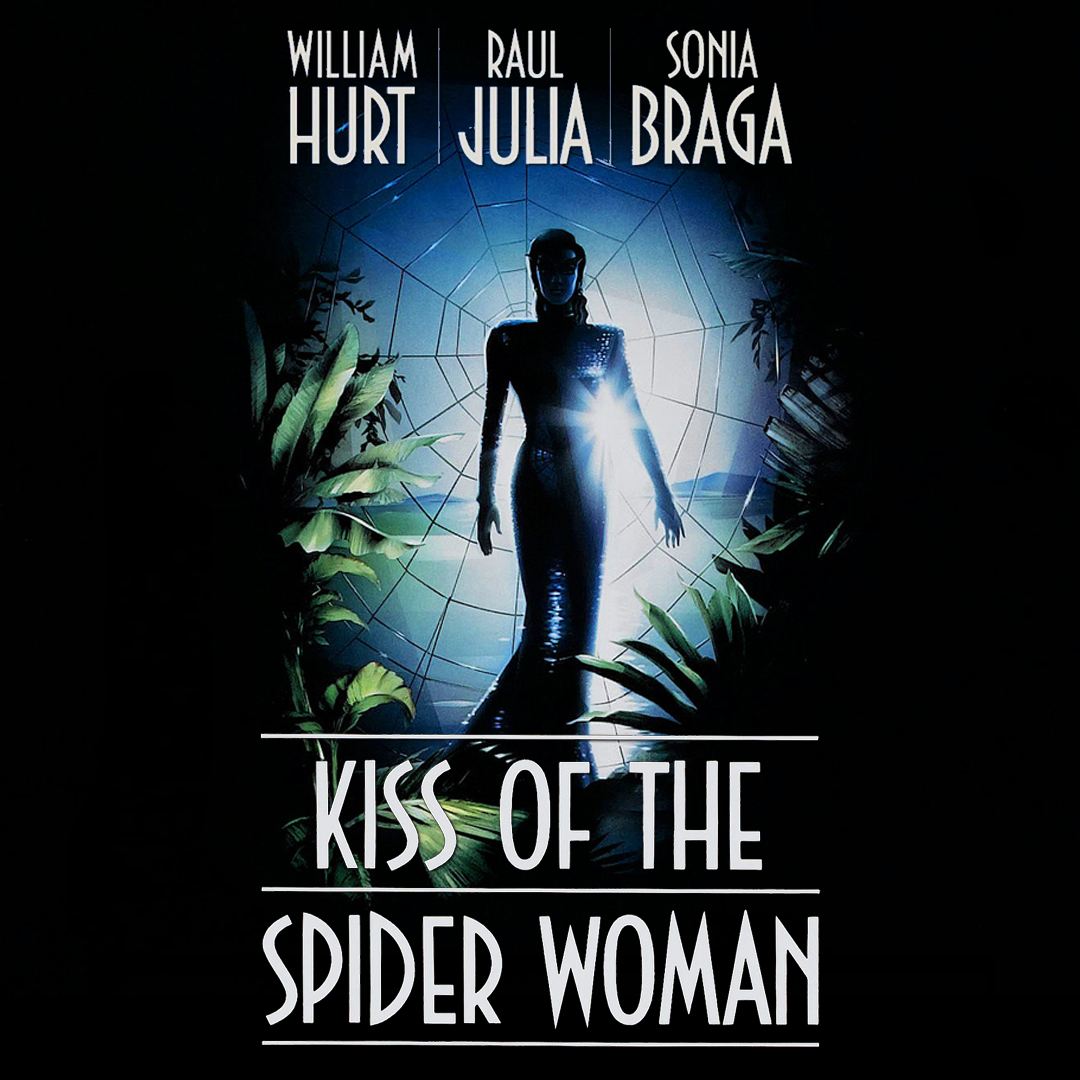
Adapted from the eponymous book by Manuel Puig, the film tells the story of two inmates, Molina and Valentim, during the
Brazilian military regime and the friendly relationship that emerged between them during their time in prison. Through the stories Molina narrates, both come to understand and respect each other’s struggles.
Starring Raul Julia, William Hurt, Sônia Braga and Milton Gonçalves. 4 Oscar nominations and William Hurt Oscar Best Actor Winner.
4K Restoration
In English, French, Portuguese and German with English subtitles
Brazil/US 1985 | 120 min
Rated R
CARANDIRU
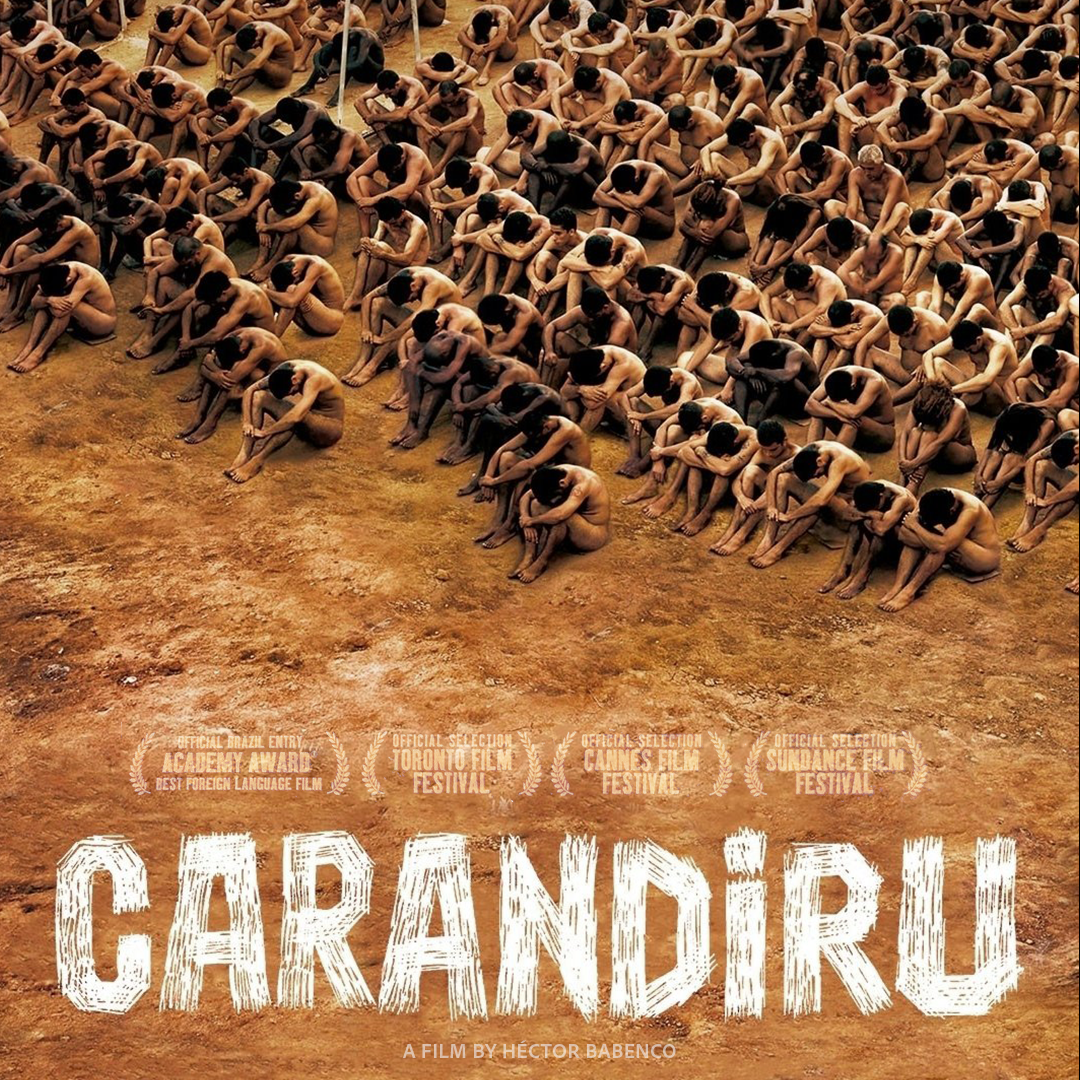
Based on the book Carandiru Station by Drauzio Varella, the film tells, through the eyes of a doctor who worked at the largest prison in Latin America for over 12 years, stories of crime, revenge, love, and friendship. While exposing the precariousness of the place, the overcrowded cells and the absence of order, the doctor becomes a listener to testimonies of a nullified humanity that culminated in the fateful massacre that took place in 1992. With Luiz Carlos Vasconcelos, Gero Camilo, Rodrigo Santoro, Milton Gonçalves, Wagner Moura and Lázaro Ramos.
In Portuguese with English subtitles
Brazil/Argentina/Italy 2003 | 145 min
Rated R for strong bloody violence/carnage, language, sexuality and drug use
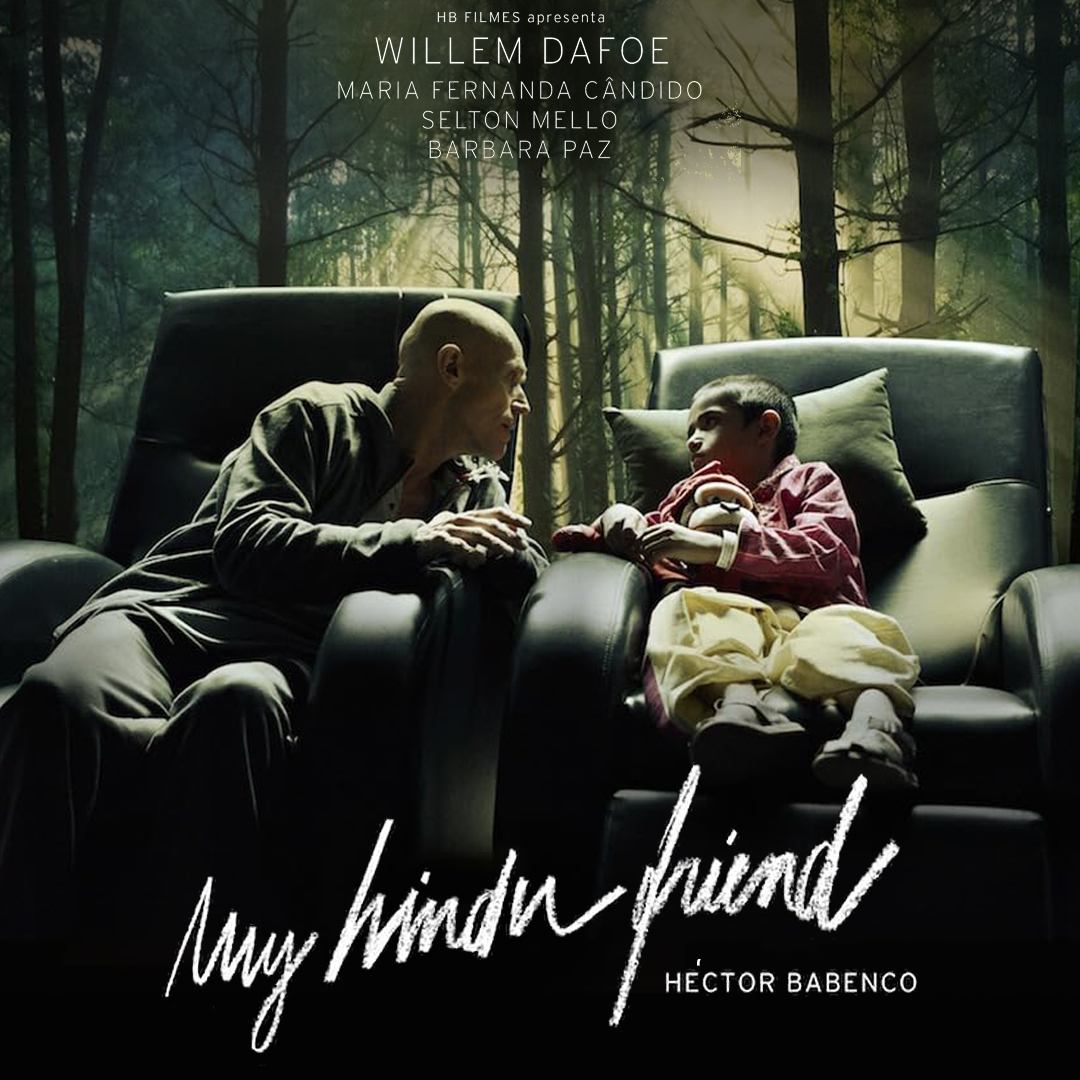
MY HINDU FRIEND
Starring Willem Dafoe, MY HINDU FRIEND is a drama based on the memories of Hector Babenco, who battled lymphatic cancer for over 20 years. The film tells the story of a filmmaker who, after being diagnosed with advanced cancer, decides to undergo experimental treatment. At the hospital, he meets a Hindu boy and, from that meeting, both start to share fantasies that help them withstand the treatment period.
Filmed in 4K.
In English and Portuguese with English subtitles
Brazil 2015 | 124 min
Unrated | Mature Audiences
A NOTE FROM WILLEM DAFOE
As I write this – tomorrow will be the ten year anniversary of Hector Babenco’s death
I met Hector in 1988 at the Venice Film Festival- I was there for LAST TEMPTATION OF CHRIST, he was there as a jury member. He was warm, funny, and charismatic. I knew his work. We talked about everything except film or working together.
I continued to follow his films with great interest but I had no contact with him until he proposed me to be in his film FOOLISH HEART. I agreed but when we had trouble getting it financed. He decided to make it at a lower budget and shot it in Portuguese with a Brazilian cast.
In 2014, we renewed a friendship when Julian Schnabel, who had used Hector as an actor in BEFORE NIGHT FALLS, brought him and his wife Barbara Paz to my house in NYC. Shortly after, he sent me the script to MY HINDU FRIEND and asked me to play the central character. It was a passion project heavily based on the period when he tried put his life back together after it was decimated professionally and personally by a life threatening illness that he survived.
I loved the script and thought it was a wonderful challenge but was worried that I might not be good casting- as I was playing a Jewish Argentinian in Brazil who was still physically delicate after a cancer. Hector reassured me that I was the right guy to play it. We shot it principally in São Paulo- in two parts with a break between so I could drop some weight for the scenes were I was very ill and shave my head to accomplish the hair loss from treatment.
Hector was deeply driven by iconoclasticism but also had a very emotional sentimental side. He was playful at work but also did not suffer fools -that is to say, he could be uncompromisingly tough. He constantly shapeshifted as we shot but I tried my best to be there for him. There were so many personal details that he would insist on that guided me. I was his proxy, his stand-in. He was very direct in his instructions. I was also surrounded by actual elements of his life- people, places, objects, so it was a perfect support to try to embody his story- to flirt with his demons and ghosts of his past. It was intense, difficult and enjoyable.
There were incredible challenges. I was working with his wife, Barbara , who was wonderfully courageous and a great partner- and had a hard task of performing in English, a language she really didn’t speak at the time. He was tough on her and on me sometimes. I had an intimate scene with a woman that my character picked up in a bar. Hector insisted we improvise the scene. After we finished the first take- there was a huge silence. And I hear Hector bellow in his accented English “ I DON’T LIKE”. He suggested we do it again immediately without any notes and we did- essentially the same actions but of course colored somewhat by our desperation to make it better. Again, a silence and then we hear him say soflty “Beautiful”.
One night in Rome I got woken by a call at 4am from Brazil . It was Hector. He talked about a new project he wanted to do and how everybody was telling him its subject was too politically incorrect to pursue but he didn’t care. He was ill again and he was determined to make the film anyway. He wanted to know if I was interested. We talked for a very long time into the morning. By the hour and the urgency in his voice, after I hung up, I knew this was a goodbye. Hector, a filmmaker to the end, proposing making something as he was nearing his own end.
Hector lived so many lives and I lived a few with him by doing MY HINDU FRIEND and I will forever cherish that experience.
– Willem Dafoe